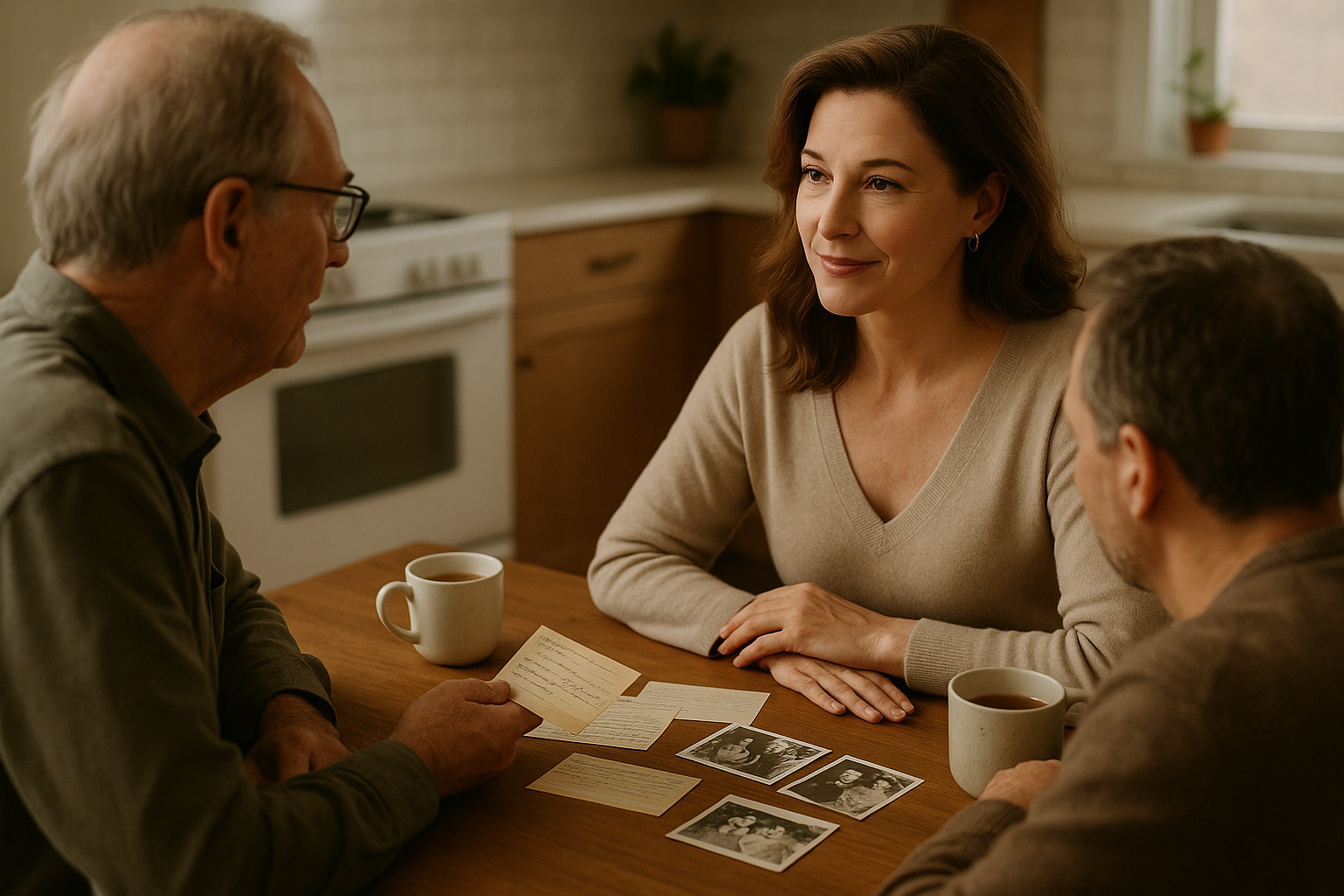
Questions to Ask Before a Family Recipe Story Is Gone
The recipe itself matters, but so do the people who know why it mattered. These are the questions worth asking while they can still be answered.
The hardest part of recipe preservation is not scanning the card. It is realizing that the people who know the story behind it will not always be available to ask. Every family has dishes that carry more than ingredients. They carry memory, migration, improvisation, grief, celebration, and repetition.
If you want to preserve more than instructions, ask the right questions while the answers are still easy to reach.
Start with origin questions
Many recipes feel "like ours" even though no one remembers where they started. Ask:
- Who brought this recipe into the family?
- Was it handwritten, clipped, or learned from another cook?
- Did it come from one side of the family or both?
- Was it connected to a move, marriage, church, or neighborhood?
These questions help turn anonymous dishes back into family records.
Ask what changed over time
The first written version is not always the version people love most. Ask:
- Do you still make it exactly this way?
- What changed over the years?
- Was there a substitution everyone adopted?
- Was there ever a version that did not work?
Families often keep the final trusted version in memory while the written version stays frozen in the past. Capture both.
Ask how the family knew it was right
This is one of the highest-value questions because it preserves technique, not just ingredients. Ask:
- How did you know it was done?
- What mistake do people usually make?
- What texture or smell were you looking for?
- What step mattered most?
Those answers make future cooks more successful and protect knowledge that is rarely written down.
Ask where the recipe lived in family life
Context makes recipes searchable and emotionally meaningful. Ask:
- When was this served?
- Who expected it every year?
- Was it for holidays, weekends, or hard times?
- Did anyone fight over leftovers or request it for birthdays?
These details help explain why the recipe stayed in the family long enough to matter.
Save the answer even if it feels small
People often skip story capture because the answers feel obvious or ordinary. But ordinary is exactly what disappears first. One sentence about who always made the pie or why the sauce was doubled for reunions can mean a lot to the next generation.
The best family recipe archives do not wait for perfect oral histories. They preserve the small answers while they are still within reach.
Turn organization into a system
Use Recipes We Share to organize recipes without building your own filing system
The easiest archive to maintain is the one your family will still use six months from now. Recipes We Share gives you collections, tags, search, memories, and recipe images without forcing you into a spreadsheet-and-folder workflow.
- Group recipes into collections like holidays, brunch, or family favorites
- Use tags and search so people can actually find what they need
- Keep notes, photos, and the final recipe in the same record
Preserve your family's recipes before they're lost
Sign up for weekly tips on digitizing and sharing your family recipe collection.
On this page
Related posts
More articles in stories to keep the momentum going.
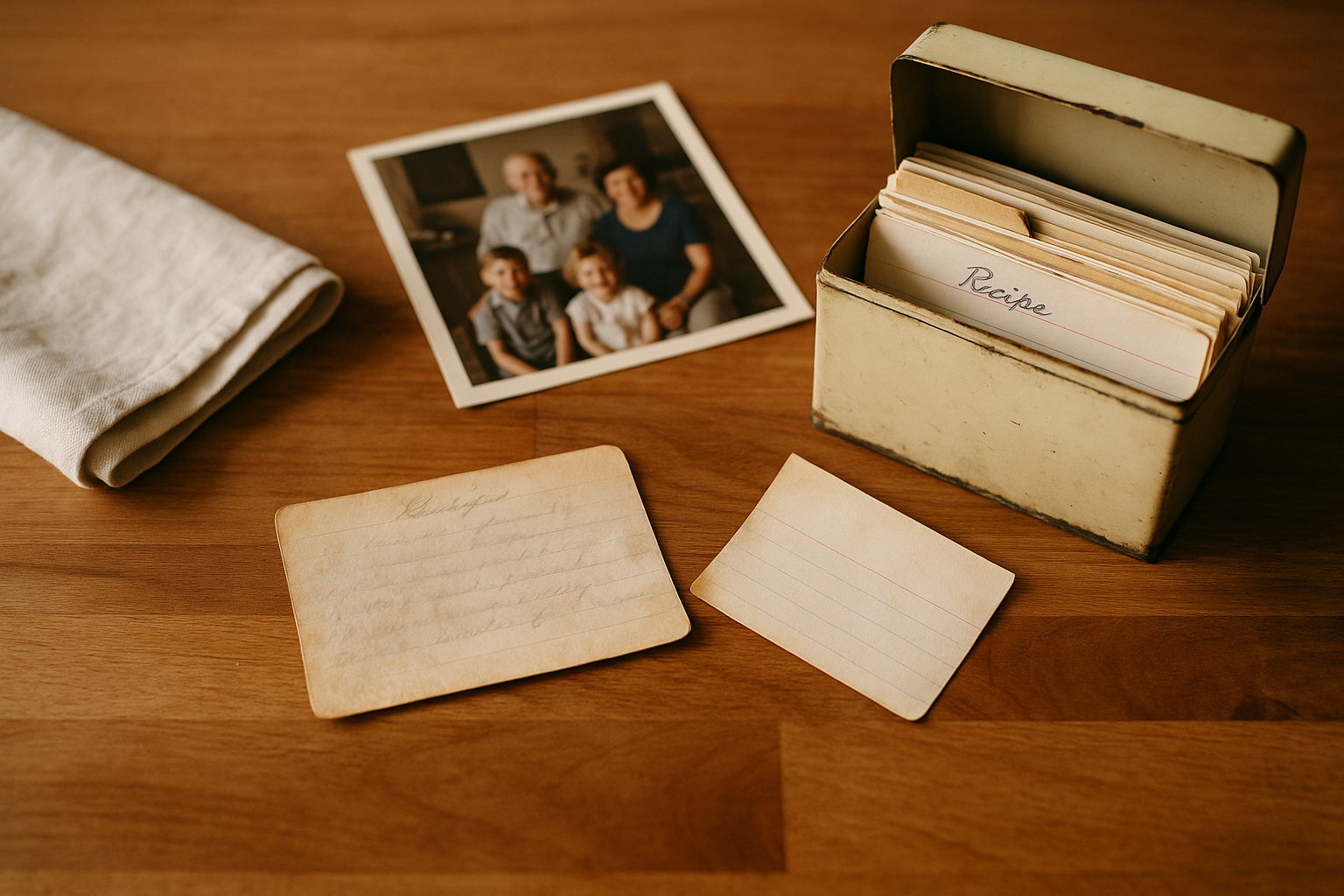
Why Family Recipes Disappear (And How to Stop It)
Family recipes rarely vanish all at once. They disappear a little at a time, through lost cards, scattered photos, and knowledge that never gets written down.
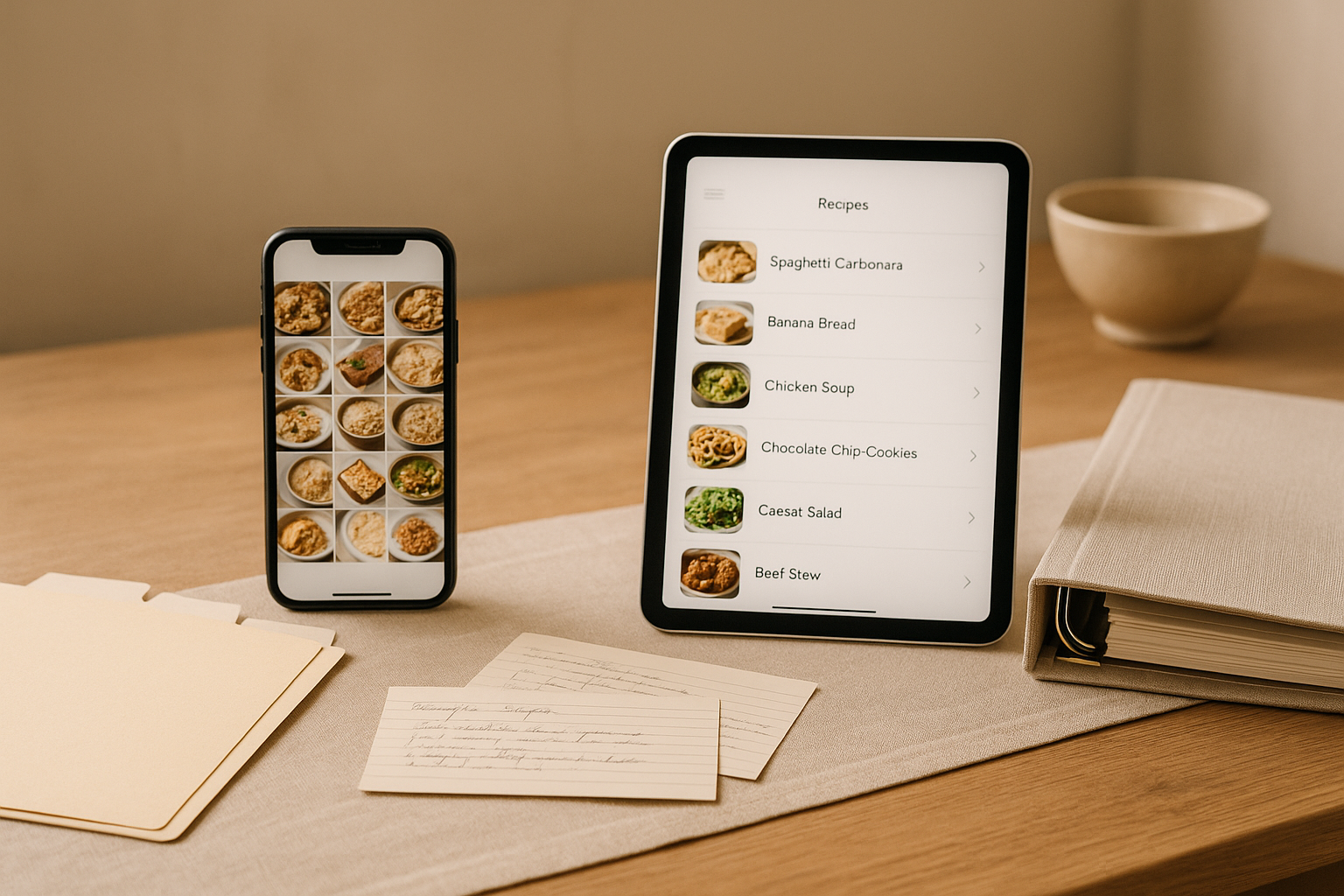
Why a Recipe Archive Beats a Folder of Photos Every Time
Photos are a useful first step, but they are not the same as a searchable, usable recipe archive your family can rely on.